When it comes to building a strong foundation—literally and figuratively—aggregates play an essential role in construction and landscaping projects. Whether you’re a homeowner planning a backyard upgrade or a contractor managing a commercial build, understanding the basics of aggregates can help you make more informed choices and ensure better outcomes for your project.
What Are Aggregates?
Aggregates are granular materials like sand, gravel, crushed stone, and recycled concrete that are used in construction. They are typically mixed with cement or asphalt to form concrete or asphalt pavement, but they’re also used on their own for a wide range of applications, from drainage systems to decorative landscaping.
Aggregates are usually categorized by size:
- Fine aggregates (like sand) are smaller than 3/8 inch.
- Coarse aggregates (like gravel and crushed stone) are larger than 3/8 inch.
Why Aggregates Matter in Construction
The quality, type, and consistency of aggregates can affect everything from the strength and durability of concrete to how well your landscaping drains after a rainstorm. Here’s why they’re so critical:
- Strength & Stability: Aggregates give concrete its compressive strength and volume. The right blend ensures long-lasting pavement, structures, and foundations.
- Cost Efficiency: Using the right mix of aggregates can reduce the amount of cement or asphalt required, helping to lower material costs.
- Drainage: Aggregates are often used in French drains, retaining wall backfill, and other applications to facilitate water flow and prevent soil erosion.
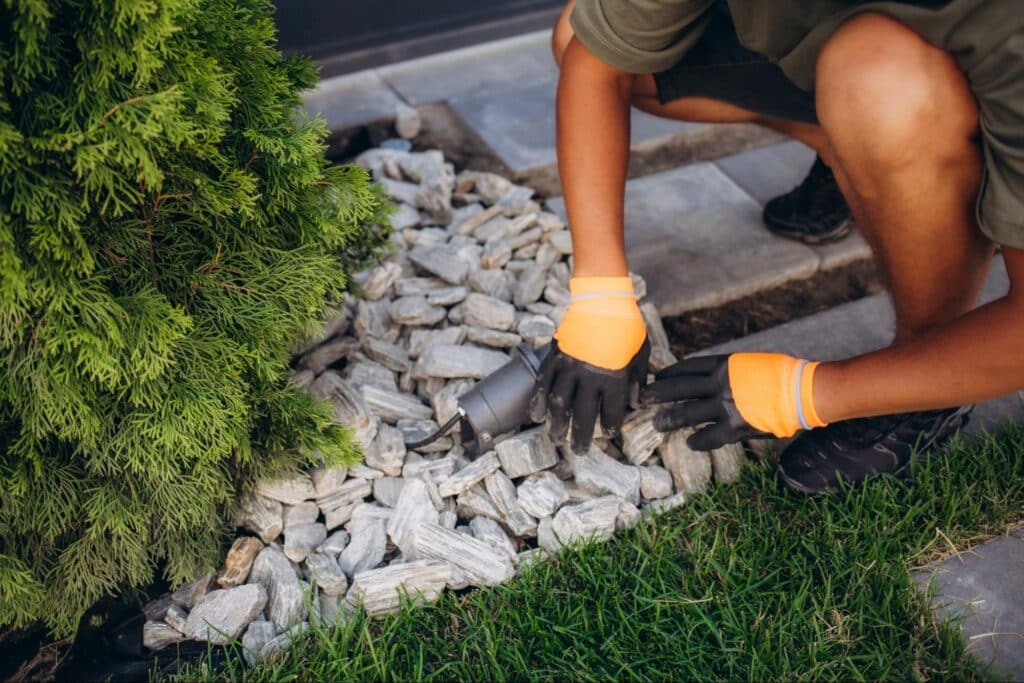
- Aesthetics: In landscaping, aggregates like decorative stone or pea gravel offer visual appeal and low-maintenance solutions for walkways, patios, and garden beds.
Common Types of Aggregates
At Laney Construction Materials, we supply a wide range of virgin and recycled aggregates suited for residential and commercial needs:
- CR-6 (Crusher Run): Often used as a base layer for driveways, patios, and walkways due to its excellent compaction properties.
- #57 Stone: A popular choice for drainage applications, including under decks or behind retaining walls.
- Concrete Sand: Ideal for mixing with cement or for use under pavers to promote stability and drainage.
- Recycled Aggregates: Eco-friendly options made from crushed concrete and asphalt, perfect for green building projects or cost-conscious applications.
How to Choose the Right Aggregate
The best aggregate for your project depends on several factors, including the size and scope of your project, load-bearing requirements, and intended appearance. For instance, if you’re working on a driveway, you’ll want a material that compacts well and provides structural integrity. For a garden pathway, aesthetics and ease of walking may take priority.
That’s where expert advice comes in handy. At Laney Construction Materials, we work with contractors and homeowners to help you select the best aggregate for your needs. Our team can advise on material selection, estimate quantities, and even schedule prompt delivery to keep your project on track.
Serving Maryland’s Aggregate Needs
Whether you’re building a patio, installing a driveway, or managing a construction site, Laney Construction Materials offers high-quality aggregates and professional service you can count on. Our supply yard is conveniently located off Route 70 and Route 97, and is fully stocked, so we can provide fast delivery throughout Maryland to keep your project moving.
Ready to get started? Contact us today or stop by our yard to speak with a member of our knowledgeable team.