Choosing the right construction materials Maryland projects need is not always simple. Asphalt, aggregate, and fill materials each serve a different purpose, and using the wrong one can affect cost, performance, and long-term durability. For contractors, developers, builders, and property owners, understanding the difference helps you plan smarter from the start.
This guide breaks down what each material is, where it works best, and how to choose the right option for your job. You’ll also see why working with a trusted local supplier can help keep your project on schedule and on spec.
What Are Construction Materials in Maryland Projects?
Many site work and paving jobs rely on a mix of materials, not just one. In construction materials Maryland projects, asphalt, aggregate, and fill often work together, but they do not do the same job.
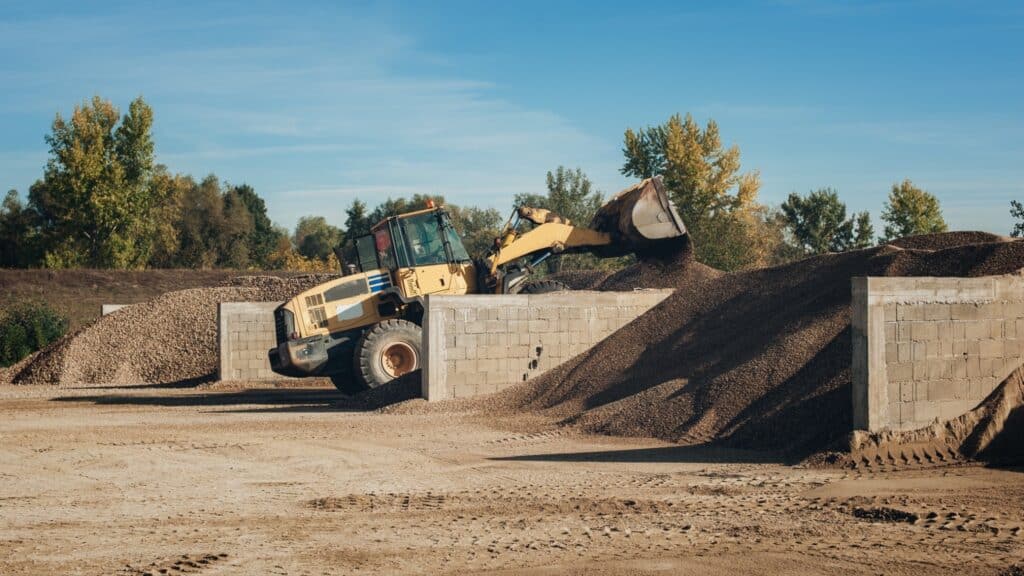
Asphalt is used for paved surfaces like roads, parking lots, and driveways. Aggregate includes crushed stone, sand, and gravel used in base layers, drainage, concrete, and other structural applications. Fill materials are used to raise grade, level areas, and create stable building surfaces.
The key is knowing where each material fits in the construction process.
What Is Asphalt?
Asphalt is a paving material made from a mix of aggregates and a petroleum-based binder. It is designed to create a smooth, durable surface that can handle traffic and weather.
Common uses for asphalt
Asphalt is often used for:
- Roads and highways
- Parking lots
- Driveways
- Pathways
- Private access lanes
Because it creates a finished surface, asphalt is usually one of the final materials used in a project. It is valued for strength, flexibility, and ease of maintenance.
When asphalt is the right choice
Use asphalt when your project needs a finished driving or walking surface. If you are building or resurfacing an area that must handle vehicle traffic, asphalt is often the most practical option.
For many construction materials Maryland buyers, asphalt is the top choice for projects that need a clean appearance and reliable performance.
What Is Aggregate?
Aggregate is a broad term for materials such as crushed stone, gravel, sand, and recycled stone products. These materials are often used below the surface or inside other building materials.
Common uses for aggregate
Aggregate is used for:
- Road and pavement base
- Drainage systems
- Concrete production
- Backfill around structures
- Pipe bedding
- Erosion control
- Foundation support
Different aggregate sizes and types serve different purposes. For example, larger crushed stone may work well for drainage, while smaller graded stone may be better for compacted base layers.
Why aggregate matters
Aggregate gives projects structure and stability. It often supports the layers above it, including asphalt and concrete. Without the right aggregate underneath, even a well-finished surface can fail early.
That is why construction materials Maryland contractors often spend time choosing the right stone size, gradation, and quantity before the paving phase begins.
What Are Fill Materials?
Fill materials are used to build up or level out land. They help create proper grade, support structures, and prepare sites for future construction.
Common uses for fill materials
Fill materials are commonly used for:
- Raising site elevation
- Grading uneven land
- Filling holes or low spots
- Preparing building pads
- Supporting retaining wall areas
- Backfilling excavated sections
Fill can include soil, stone-based material, or other approved material, depending on the project. The right fill depends on drainage needs, load requirements, and compaction standards.
Fill is not just leftover material
Some people assume fill is basic or low-value material. In reality, fill selection matters a lot. Poor fill can settle too much, hold water, or fail to support the weight placed on it.
For construction materials Maryland projects, quality fill helps create a stable base for everything that comes next.
Asphalt vs. Aggregate vs. Fill: What’s the Real Difference?
The simplest way to think about these materials is by their job on the project.
Asphalt is the surface
Asphalt creates the finished top layer for roads, parking lots, and drive lanes. It is what vehicles drive on.
Aggregate is the support material
Aggregate often sits under asphalt or concrete, or it may be used in drainage and structural applications. It adds strength, stability, and water management.
Fill shapes and prepares the site
Fill materials build grade, level the ground, and help prepare the land before base and surface materials are installed.
In many cases, one project uses all three. A new parking lot, for example, may need fill to level the site, aggregate to create a compacted base, and asphalt for the finished surface.
How to Choose the Right Material for Your Project
If you are sourcing construction materials Maryland buyers depend on, start with the function of the material, not just the price.
Ask what the material needs to do
Think about questions like:
- Does the material need to support traffic?
- Is it for grading or leveling?
- Will drainage matter in this area?
- Does it need to compact tightly?
- Is it part of a finished surface or a base layer?
The answer will point you toward asphalt, aggregate, fill, or a combination of all three.
Consider project conditions
Site conditions also matter. Soil type, moisture, slope, traffic load, and local specifications can all affect which material is best. A residential driveway may need a different approach than a commercial lot or large site development job.
If you are unsure, a knowledgeable supplier can help match the material to the job.
Why a Reliable Local Supplier Matters
Material quality and delivery timing can affect your whole schedule. Working with a trusted local source for construction materials Maryland projects can help reduce delays, improve consistency, and support better results.
A reliable supplier can help you:
- Choose the right material for the application
- Get the quantity you need on time
- Meet project specs
- Avoid costly ordering mistakes
- Keep paving and site work moving
Local knowledge matters too. A Maryland supplier understands regional project demands, common applications, and the service expectations contractors deal with every day.
Get the Right Construction Materials Maryland Projects Need
Asphalt, aggregate, and fill materials each play a different role, and choosing the right one can make a big difference in project performance. Whether you are paving a lot, preparing a site, or building a strong base, using the right material at the right stage helps protect your budget and timeline.Laney Construction Materials supplies construction materials Maryland contractors, developers, builders, and property owners can count on. If you need help selecting materials for your next project, contact Laney Construction Materials to get the right products and dependable support.